
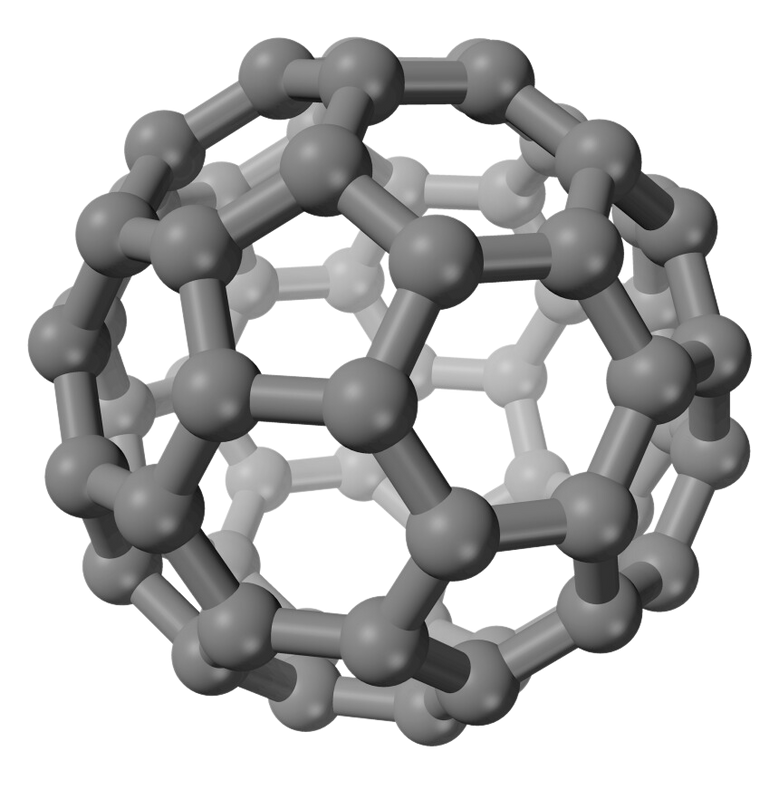
Drug Delivery Systems
Traditionally, when patients are given drugs, there are many limitations such as low bioavailability (requires a larger dose to reach the minimum effective concentration threshold), pervasive side effects, and a lack of precision in targeting. In addition to this issue is the often indiscriminate impact of drugs.
As they sweep through the body, the drugs fail to distinguish between healthy and diseased cells, essentially wiping the whole area out. These limitations with traditional drugs can be fixed with the help of nanotechnology. Liposomes and nanoparticles are types of nanocarriers that are inventions of nanotechnology. These nanocarriers encase the drugs, shielding them from premature degradation during their long journey through bodily fluids to their target. The true power, however, lies in the controlled release facilitated by these carriers, honing in on specific areas at the nanoscale. This not only preserves the amount of drugs needed (the key component responsible for the intended therapeutic outcome), helping when bioavailability is low, but it also removes damage to the healthy cells and maximizes the efficacy of treatment.
Imagining (MRI, PET, X-RAY, ETC)
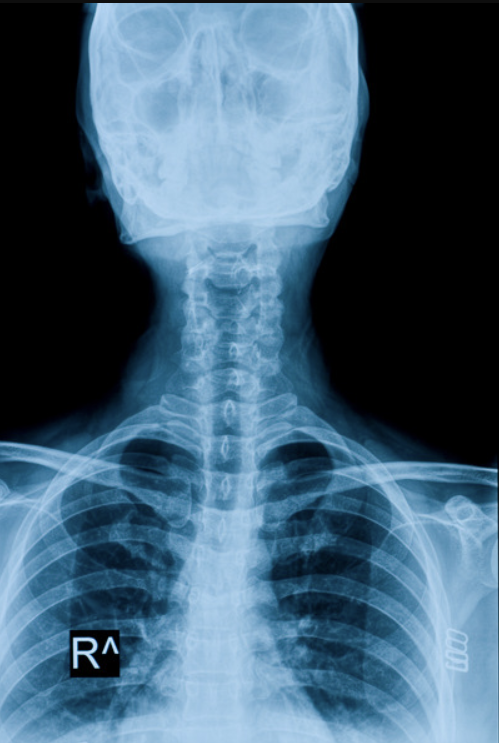
Despite current high technology imagining equipment such as magnetic resonance imaging (MRI) and positron emission tomography (PET), the quest for heightened resolution and early detection persists. Conventional MRIs and PET machines, while formidable in their capabilities, are lacking in many ways. One of such shortages is that they are not able to detect small infected parts, and sometimes the detected parts do not stand out from uninfected regions. Here is where nanotechnology comes in. Nano marvels emerge as catalysts, elevating the resolution of imaging modalities to unprecedented levels. These nano agents help these existing equipment to be used and enable healthcare professionals to detect the disease at their early stages. Moreover, nanoparticles, armed with imaging capabilities, help reveal the pathway of real-time location of the where the drug is taking effect, unraveling crucial insight into treatment efficacy. They are able to reveal the pathway of real-time drug delivery as it shows PET machines a strong signal. Quantum dots, for example, have the key property where it has the ability to fluorescence, emitting light when exposed to a particular wavelength. These emissions can be tunable meaning that both the size and brightness can be controlled to be detected by sensor receptions on the MRI and PET wavelength scans. While nanotechnology might not seem strong on itself, the fusion of it with existing medical imaging, a new frontier emerges-one that truly elevates healthcare to a new level.
Diagnostics
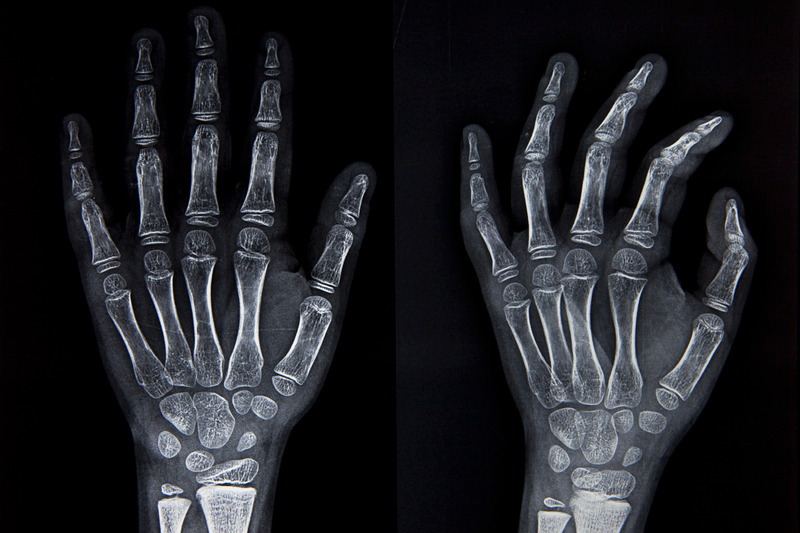
The very pinnacle of hospitals and the first step in curing patients, nanotechnology emerges as a powerful tool for medical professionals to use. Nanotechnology can be engineered to discern specific biomarkers indicative of diseases at their early stages, where they are the most vulnerable.Nanotechnology will help medical professionals to catch the symptoms before it is too late, potentially leading to deadly outcomes. For example, cancer, considered to be the worst enemy of humankind, is curable during its early stages, but becomes deadly once it goes unnoticed. Nanosensors–a type of nanotechnology–can help by identifying cancerous cells or circulating tumor markers that a normal diagnosis would not be able to do so. This is because nanosensors will attach and alert PET scanners and show up as a special color. Not only that, due to the biometrics that different types of symptoms give, each nanosensor could be specifically engineered to test that specific type of cancer, allowing no errors in medical prescriptions. Doctors and healthcare professionals know that in the case of cancer and tumors, time is their worst enemy and would significantly benefit from this technology. Nanotechnology in the medical field not only helps with early diagnoses which allows for timely intervention but also arms professionals with vital information to prescribe targeted treatments, elevating the odds of success and improving patient outcomes. This technology can and will save countless lives.
Treatment Effectiveness
Not only is it an aid in the medical realm, nanotechnology itself could be the cure for existing diseases. For example, gold and silver nanoparticles can be used for cancer treatment through photothermal therapy. By selectively detecting cancer cells and then using external stimuli such as laser light, these nanoparticles can induce localized hyperthermia, destroying cancer cells in the process. This cancer treatment is very effective as it removes all cancer cells while leaving no damage to any healthy cells in that area.
Conclusion
Nanotechnology has been the key to unlock new heightened pathways for the healthcare industry. Offering unprecedented opportunities to enhance drug delivery systems, imaging, diagnostics, and treatment. As researchers continue to unravel the potential of nanotechnology, we can see the potential to integrate it into mainstream medical practices. The ongoing collaboration between scientists, clinicians, and ethicists is crucial to harness the full potential of nanotechnology in medicine while addressing potential challenges and ethical considerations. The future of healthcare is intertwined with the continued exploration and application of nanotechnology, saving lives and improving the human race.
There are concerns as the technology is relatively new, that there would be toxicity of certain nanoparticles, specifically in the long term. There were also considerations of the environmental impact if they were in mass production and how medical professionals would dispose of it. It is important to warn people about how there should always be a balance between innovation and safety. As safety is another fundamental core of healthcare. It seems that long term research should be conducted and more people should be educated on this matter.