
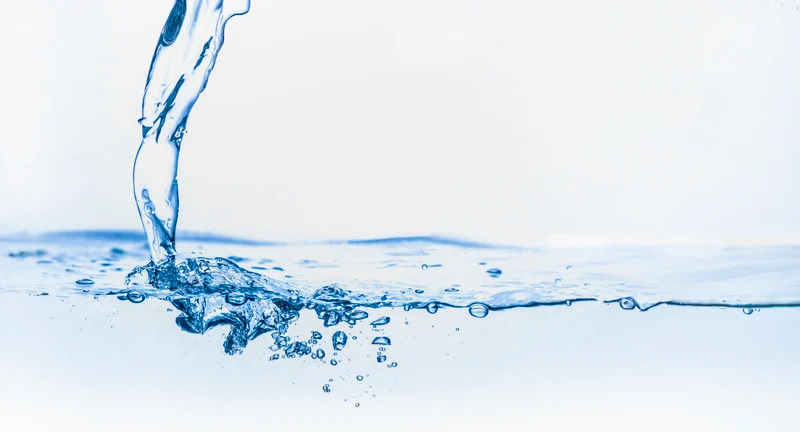
The benefit of water
Indeed, water is an absolute fortune to possess in a world where a myriad of species with distinct features has survived and prolonged.
For instance, the foremost and straightforward benefit of water is that it allows biological organisms to stay hydrated. Generally, water takes approximately sixty percent of the human body. Without the existence of water daily, according to the Centers for Disease Control and Prevention (CDC), humans are highly likely to suffer from “a condition that can cause unclear thinking, result in mood change, cause your body to overheat, and lead to constipation and kidney stones.” The fact that drinking insufficient amounts of water actually can disturb individuals by influencing psychological, metabolic, and biological conditions relentlessly illustrates the significance of water to humanity.
For instance, the foremost and straightforward benefit of water is that it allows biological organisms to stay hydrated. Generally, water takes approximately sixty percent of the human body. Without the existence of water daily, according to the Centers for Disease Control and Prevention (CDC), humans are highly likely to suffer from “a condition that can cause unclear thinking, result in mood change, cause your body to overheat, and lead to constipation and kidney stones.” The fact that drinking insufficient amounts of water actually can disturb individuals by influencing psychological, metabolic, and biological conditions relentlessly illustrates the significance of water to humanity.
The danger of water
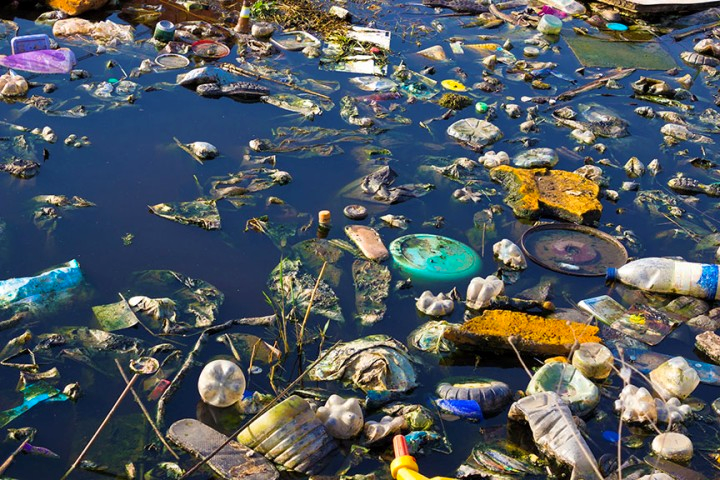
Water can be dangerous to human health in several ways. One of the main risks is waterborne diseases caused by pathogens in contaminated water sources. Diseases like cholera, typhoid, and hepatitis can spread through water consumption, leading to severe illness and even death. Chemical contamination is another concern. Industrial pollutants, agricultural runoff, and improper waste disposal can contaminate water sources with toxic substances such as heavy metals, pesticides, and industrial chemicals. Exposure to these contaminants can have long-term health effects, including organ damage, neurological disorders, and an increased risk of cancer. Natural disasters like floods and storms can also contaminate water supplies, introducing harmful substances and bacteria into the water sources. This can lead to outbreaks of waterborne diseases and pose immediate health risks to the affected population.
Inadequate sanitation and poor hygiene practices can also contribute to the dangers associated with water. Lack of access to clean water for drinking, cooking, and hygiene purposes can lead to the spread of diseases like diarrhea, dysentery, and cholera. Insufficient sanitation facilities and improper waste management can result in contamination of water sources with fecal matter, further increasing health risks. The contaminated water is one of the worst toxications in which millions of vulnerable populations could end up experiencing fatality, specifically for infants, pregnant women, and elderly people. In regions with limited resources and infrastructure, the consequences of water-related health risks can be especially severe; for instance, the population suffering such illnesses (cholera, diarrhea, dysentery, hepatitis A, typhoid) could result in dehydration as well as malignant infection of body organs, possibly leading to the fatality of unsecured people from contaminated water.
To address the previously mentioned obstacles due to the unhygienic water source, international organizations such as the World Health Organization (WHO), United Nations (UN), and the United Nations Development Programme (UNDP), must seriously alarm the significance of monitoring the overall quality of drinkable water by implementing effective sanitation practices, promoting hygiene education, and improving sanitation infrastructure, which are essential for reducing water-related health risks. Additionally, raising awareness about the importance of clean water and advocating for sustainable water management practices can help protect human health.
In conclusion, water is undeniably essential and beneficial to human health as it supports vital bodily functions, hydrates the body, and promotes overall well-being. However, it is important to acknowledge that water can also be a source of danger to human health under certain circumstances. Contaminated water sources, waterborne diseases, chemical pollution, natural disasters, inadequate sanitation, and poor hygiene practices can all pose risks and harm human health. Therefore, while water is crucial for sustaining life, it is imperative to prioritize clean and safe water access, promote proper sanitation and hygiene practices, and address the potential dangers associated with water to ensure the well-being and safety of individuals and communities.