
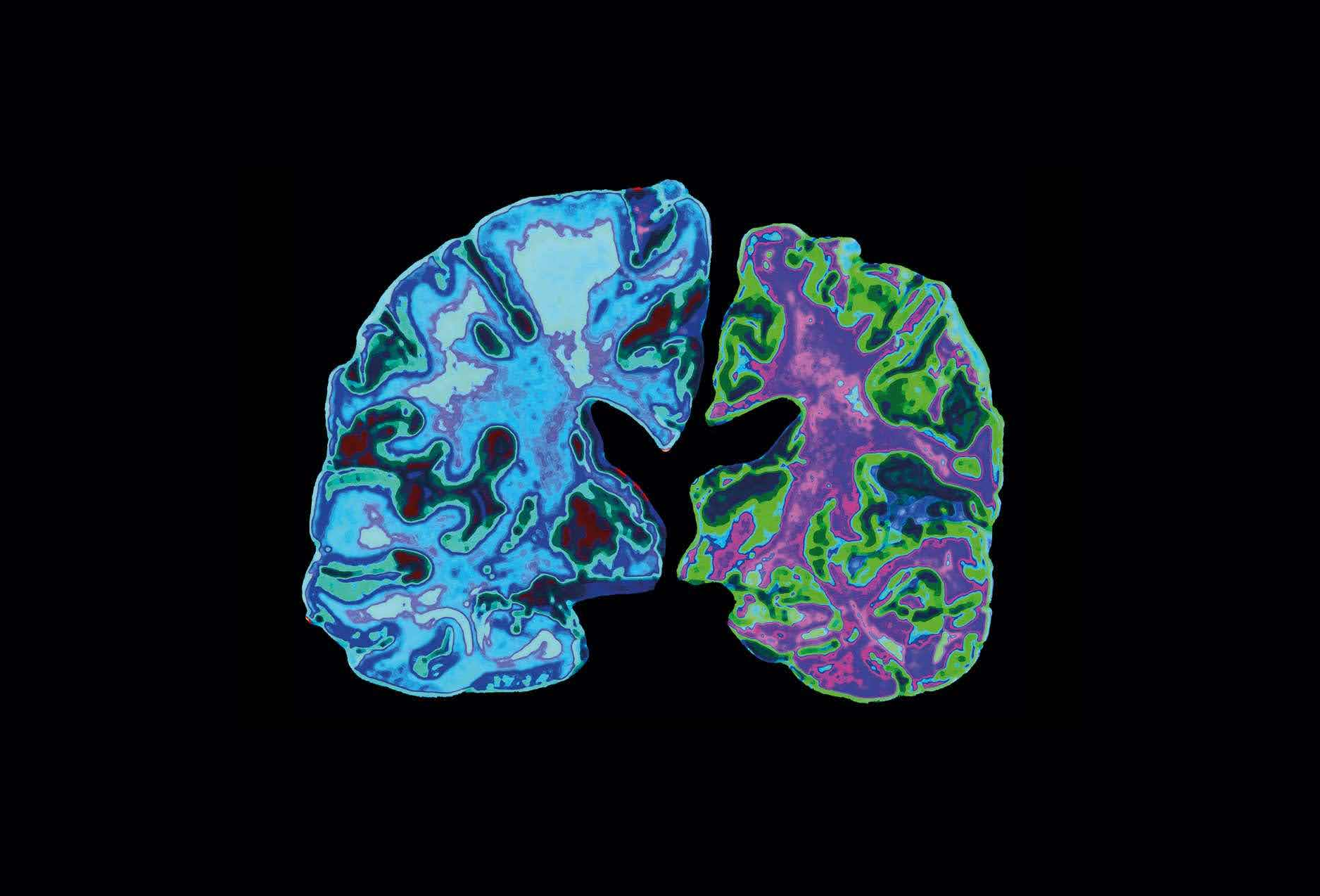
Alzheimer's is a disease characterized by memory loss and impaired reasoning. It's scary because there is no cure; once a person is diagnosed with Alzheimer's, it progressively worsens until they lose most of their memories. Many drugs have been developed to slow down its progression, but they are ineffective in the long run due to the rapid changes occurring inside the patient’s brain. Since treating Alzheimer’s is challenging, it’s important to take preventive measures early on.
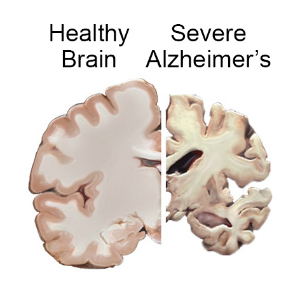
What Causes Alzheimer's?
In a healthy human brain, millions of neurons transmit signals to one another. These signals cause the chemicals at the end of the neuron to be released and spread across the synapse to a neighboring neuron. This signal flow is why we are able to see, move, think, feel, and memorize. However, in individuals with Alzheimer's, this neural communication breaks down.
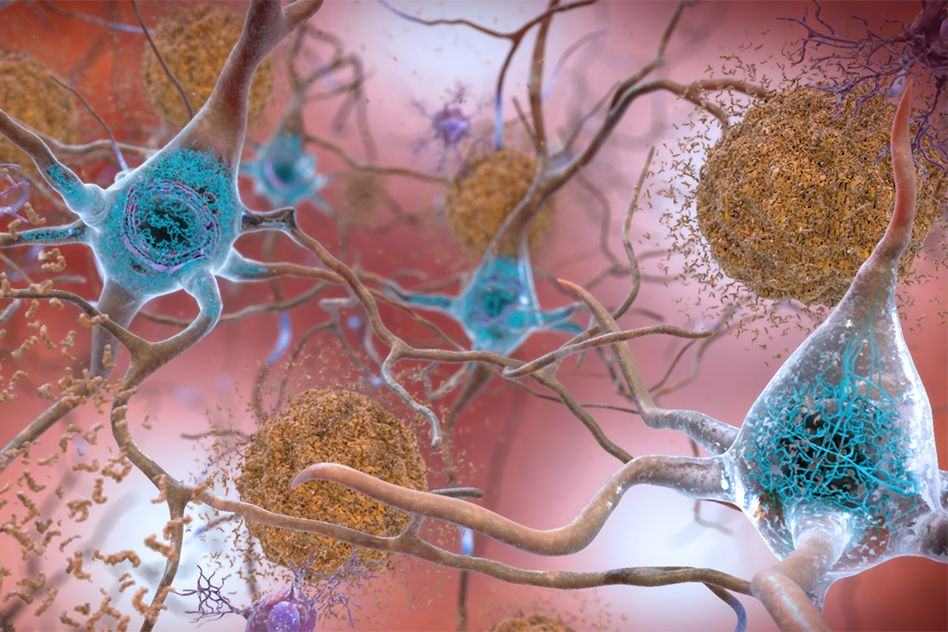
During communication, neurons release small peptides called amyloid beta. In a healthy human brain, millions of neurons transmit signals to one another. These signals cause the chemicals at the end of the neuron to be released and spread across the synapse to a neighboring neuron. This signal flow is why we are able to see, move, think, feel, and memorize. However, in individuals with Alzheimer's, this neural communication breaks down.
Another marker for Alzheimer’s Disease is tau tangles. In a healthy human brain, millions of neurons transmit signals to one another. These signals cause the chemicals at the end of the neuron to be released and spread across the synapse to a neighboring neuron. This signal flow is why we are able to see, move, think, feel, and memorize. However, in individuals with Alzheimer's, this neural communication breaks down.
As communication between neurons falters, the brain experiences a decline in cognitive function. For example, people might have a harder time finding the right words and making sound decisions. The cumulative impact of these disruptions ultimately contributes to the progression of Alzheimer’s.
How Does Alzheimer's Spread in the Brain?
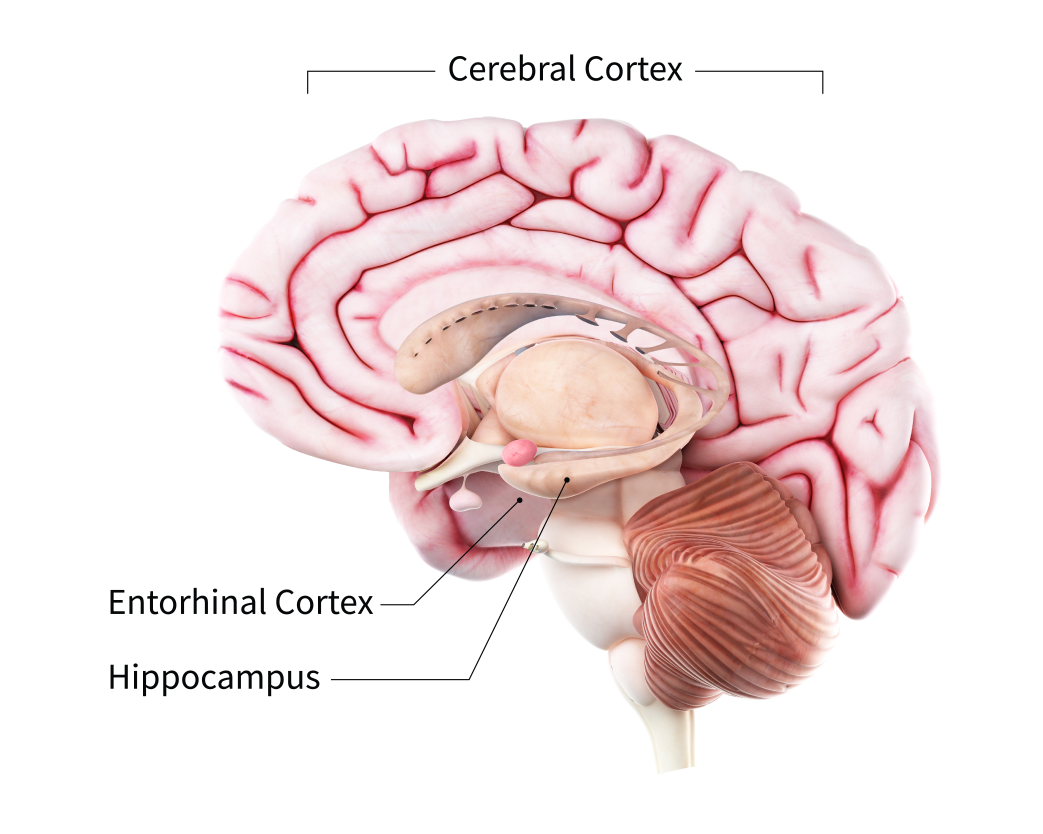
In Alzheimer’s disease, cognitive degeneration usually begins in the epidural cortex and hippocampus, the parts of the brain that form new memories and consolidate information. This is why the early symptoms of Alzheimer's are frequent forgetfulness. At this stage, the person will start asking questions about where they put their phones or whether they have had lunch yet. Next, the cerebral cortex, which is responsible for language, problem-solving, and social behavior, becomes damaged. Individuals may become disoriented in familiar surroundings and have difficulty finding their way home. Individuals may also struggle to find words during conversations and have frequent pauses when expressing their thoughts.
As the disease expands to other parts of the brain, the brain loses its normal functions. Eventually, there comes a point where they can no longer perform basic tasks and must depend entirely on others for physical support. Alzheimer's not only erodes one’s identity as an individual but also their fundamental identity as a human being.
How Do We Prevent Alzheimer's?
Sleep
Research by the National Institutes of Health (NIH) found that an insufficient amount of sleep (less than six hours) increases the likelihood of developing Alzheimer's disease. This is especially true for people aged 50s and 60s. During sleep, the glial cells in the brain clear out waste products like amyloid beta plaques. However, if people don’t get enough sleep, this whole process can be impeded and more harmful substances can accumulate in the brain over time. With amyloid beta piling up, the condition of Alzheimer's exacerbates.
Brain exercise
People who engage in mentally stimulating activities are less likely to develop Alzheimer's. This is because they can build many neural connections by learning new things or participating in challenging cognitive tasks. So even if they have a disease like Alzheimer's and damaged synapses, they have plenty of other synapses they can rely on to remember something.
In my opinion, Alzheimer's is the most heartbreaking disease. Being unable to express yourself because you forgot who you are and who you used to be. Not being able to remember your loved ones even if they are physically next to you. You may have a vague sense of who they were but cannot feel the love coming from them, nor will you be able to love them back. When you are dying, you would want to look back on happy moments and unforgettable memories you shared with them. However, Alzheimer's renders the unforgettable “forgettable” beyond your control and willingness. It’s almost as if you become an empty eggshell, with an inner part that once defined “you” completely gone.
To avoid such consequences, we must take preventive measures early on. Despite numerous research and efforts put into finding a cure for Alzheimer’s, one has not been developed yet. As the brain is a complex organ that behaves in unpredictable ways, slightly differently for each person, finding a cure that can be applied to the general population remains a challenging task. Even if a cure develops one day, we need to acknowledge that the best way is not to be diagnosed with Alzheimer’s in the first place. Changing simple habits, such as going to bed a few hours early, will make a huge difference. It’s never too late to change your habit- so if you are reading this now, what about going to sleep before midnight today?